
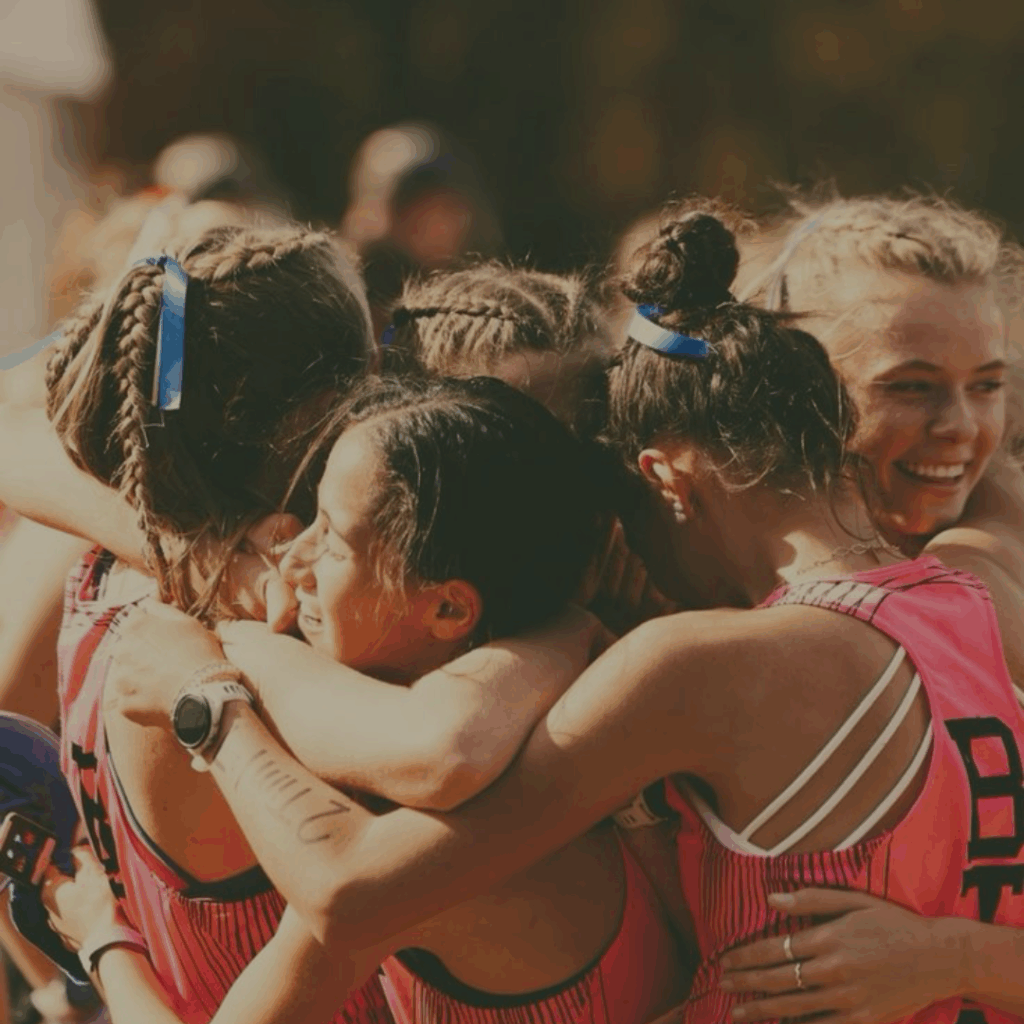
Today, the U.S. Supreme Court will hear oral arguments in two critical cases, West Virginia v. B.P.J. and Hecox v. Little, that will determine whether state laws protecting fairness, safety, and equal opportunity for female athletes are constitutional. At the heart of these cases is Idaho’s Save Women’s Sports law, which ensures that women and girls are not forced to compete against biological males.
The outcome of these cases will have national implications. Currently, 26 states, including Texas, have enacted laws protecting women’s sports. In Texas, lawmakers have led the way with two strong protections: the Save Girls’ Sports Act (HB 25) for K–12 athletics and the Save Women’s Sports Act (SB 15) for collegiate competition. These laws affirm a simple truth—sex-based distinctions in sports exist to protect women, not exclude them.
Momentum for these protections has grown nationwide as female athletes have bravely spoken out about being displaced, injured, or stripped of opportunities. Stories like those of Riley Gaines and Texas athletes who were forced to compete against and share private spaces with male athletes have awakened the public to what is at stake.
Texas leaders are standing shoulder to shoulder with Idaho as this case reaches the nation’s highest court. Advocates and lawmakers will be on the ground in Washington, D.C., rallying and observing oral arguments as the justices consider whether states have the authority to protect women’s sports.
This moment represents more than a legal battle—it is a test of whether truth, fairness, and the dignity of women and girls will be upheld. Protecting Texas Children will continue to stand for policies that ensure girls have a level playing field, safe spaces, and the opportunity to compete without compromise.
Copyright © 2025 Protecting texas Children | Privacy policy | terms & conditions
