
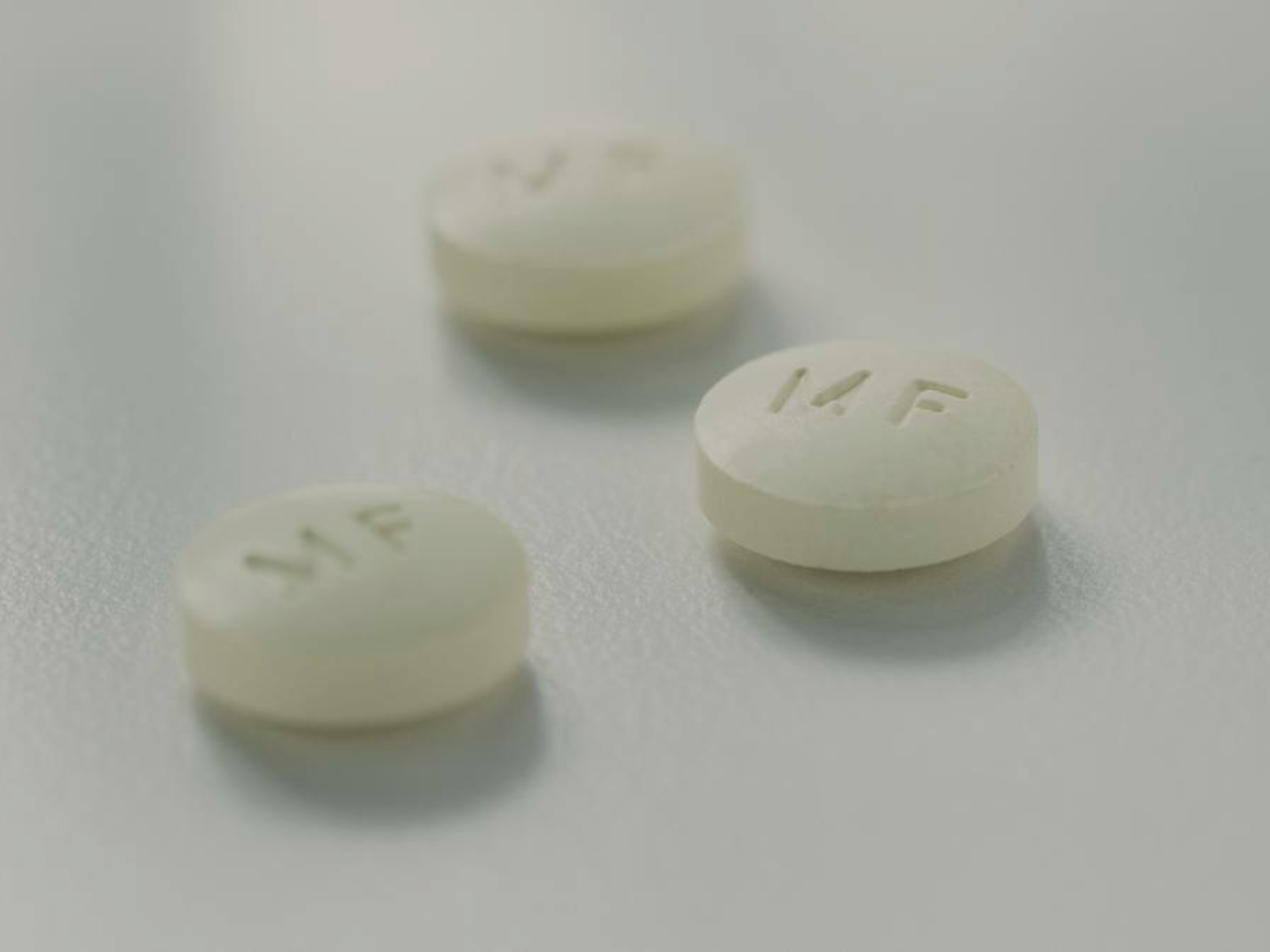
What does the abortion pill and the Environmental Protection Agency have to do with the other? The answer might surprise you.
In a letter authored by Attorney General Catherine Hanaway of Missouri to the United States Environment Protection Agency (EPA), Hanaway and thirteen additional state Attorneys General asked the agency to address “a growing threat to the country’s waterways as a result of a pharmaceutical drug mifepristone and its approved generics.”
In the June 5 letter to the EPA, Hanaway offered a backgrounder on the abortion pill, a “synthetic steroid and endocrine disrupter that interferes with progesterone receptors in the uterus” and blocks a woman’s natural progesterone. Subsequently, mifepristone and its generic, “chemically destroy the baby’s uterine environment” and prevent the baby from receiving nutrition, thus starving the baby to death in the womb.
According to the FDA, mifepristone was approved in 2000 for medical termination of a pregnancy through seven weeks’ gestation. Since its initial approval, the FDA has expanded the seven weeks to ten weeks and altered some of the initial protections put in place for patients who would consume this drug in an attempt to mitigate its associated dangers. The approval of generic versions, the removal of in-person dispensing requirements, and changes to follow-up requirements were some of the other changes named in Hanaway’s letter to the EPA.
The letter goes on to cite a Guttmacher Institute report that shows the increasing percentage of chemical abortions over the decades. The report indicates a drastic increase in chemical abortions from 14% in 2005 to 63% in 2023. While this increase is shocking, it doesn’t paint a complete picture as it’s missing self-managed chemical abortions that occur when a provider mails mifepristone to the patient. Despite mail-order abortion pills being outlawed in places like Texas, a recent Supreme Court decision ensured that mifepristone can continue to be available by mail without an in-person appointment with a clinician. Essentially, the report is missing a portion of total chemical abortions due to the inability to track mail-order access to mifepristone. It does, however, show that this increase in chemical abortions occurring in the home would subsequently result in an increase in chemically tainted medical waste being flushed into American waterways.
The increase in chemical abortions and its impact on drinking water by way of the Safe Drinking Water Act is the basis for the attorney’s general request to the EPA. Hanaway asks that the EPA evaluate the safety of the nation’s water on behalf of pregnant women who would be harmed by the metabolites of this drug which are not designed to be removed through conventional wastewater treatment. Commenting on the harmful impacts of mifepristone to existing pregnancies, Hanaway states the following:
“By design, mifepristone harms an existing pregnancy by “competitively inhibit[ing] the actions of progesterone at progesterone-receptor sites” and by “promot[ing] uterine contractions and softening of the cervix. It follows that if mifepristone reaches sufficient concentration, pregnant women who unintentionally ingest the drug through the public water supply could be at greater risk of health complications than the general population.”
Amidst a growing infertility crisis in the U.S., it is easy to see how the health risks of a higher and growing concentration of the abortion drug in our water supply is a threat to reproductive development and fertility for young girls, and to vulnerable women who need progesterone to get pregnant and sustain their pregnancies.
Texas Attorney General Ken Paxton is among the fourteen state attorneys general who signed this letter seeking protection for women consuming this unregulated drinking water contaminant. This quest for transparency is sure to be an intense battle likely angering the pro-abortion lobby because in the end, it would force the EPA to say whether we have allowed pregnant women in this country to unknowingly consume abortion-inducing drugs through the water supply.