
It rarely starts with a screen.
For some children, their first exposure to sexually explicit material may come not from a pornography website or social media, but from the pages of a book sitting openly on the shelves of their school or public library. What looks like a single image or passage can be dismissed as harmless—a book closed, a page turned, a moment forgotten. But critics argue that early exposure may not end when the book is put back on the shelf. It can become the first step in a much longer journey toward sexualized content and, potentially, pornography.
Advocates who have pushed to remove sexually explicit books from children’s sections say that the path to pornography consumption often begins long before a child ever visits an adult website. They warn that repeated exposure can normalize sexually explicit material, making it seem ordinary rather than alarming while increasing the likelihood of continued pornography use later in life.
But what role do sexually explicit children’s books play in shaping a child’s future relationship with pornography?
Every business depends on future customers. The online pornography industry is no different.
Critics of the pornography industry say that repeated exposure during childhood can increase the likelihood that some children will later become paying consumers of pornography. In simpler terms, they argue that early exposure can quietly plant the seeds for the next generation of paying customers.
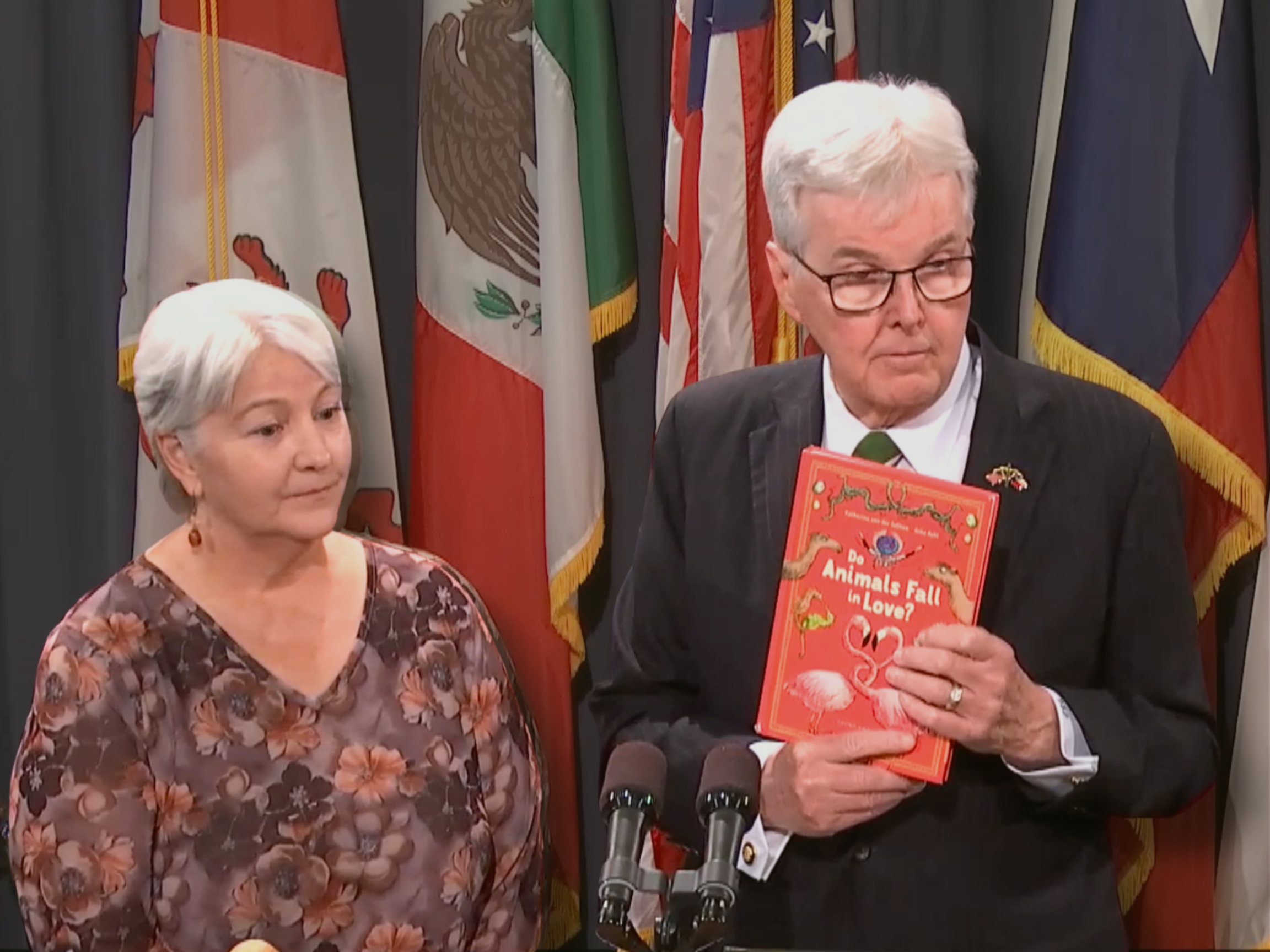
Bonnie Wallace, legislative liaison for Recover America, has presented over 30 sexually explicit books at school board meetings and currently maintains a list of over 2,160 books she hopes to have removed from school libraries across Texas. She argues that “libraries aren’t safe” and that one of the greatest problems with these books is not only the content itself, but the trust children and teens place in the institutions that place these on their shelves. According to Mrs. Wallace, when sexually explicit books are placed on library or school shelves, many young readers assume the material has been vetted and approved by their educators and librarians, making them less likely to question whether the material is age appropriate. Many children frequently encounter these books unintentionally because their covers and titles appear suitable for young readers.
“They trust them,” she says, “but every single page has nudity, but the libraries keep saying it is just anatomy so kids can learn about their bodies.” She argues that while many parents closely monitor their children’s electronic devices to prevent accidental or intentional exposure to pornographic content, they often let their guard down in school or public libraries assuming that any material made available to children has already been deemed appropriate.
Mrs. Wallace’s concerns echo findings from the American Academy of Pediatrics, which reports that many children in the United States first encounter pornography between the ages of 10 and 13. It also reports that most teenagers who have been exposed say it happened unintentionally. Parents are often unaware that the exposure occurred.
So, what does that exposure actually look like in children’s books? What content are critics referring to?
According to Mrs.Wallace, the issue extends beyond books that contain explicit heterosexual and homosexual content. She says her reviews have also uncovered books that address grooming, suicide, and bestiality.
“There are books in schools that have sex with animals, sex with dead bodies, and I have even discovered 2 books that have a girl describing in detail the sexual things she would do to Jesus, if given the chance.”
“There is just unlimited bad stuff.” Mrs. Wallace contends that some books contain material that is more disturbing than graphic sexual content which include detailed description of suicide and rape.
“This has to stop,” Mrs. Wallace said. “Our children deserve to retain their innocence.”
While these examples illustrate why some advocates believe current library review processes are inadequate, the question becomes: What standards does Texas law require school districts to follow?
In practical terms, public school districts are required by state law to adopt policies addressing material that is “harmful” to minors and sexually explicit content in school library collections. Public libraries, by contrast, establish their own collection development policies in accordance with applicable state and federal law and the policies adopted by their governing authorities.
Ultimately, Texas law places the responsibility on school districts to establish and enforce library collection policies. Parents who believe a book does not comply with those standards may request a formal review through their local school district.
The problem? For many parents, the reconsideration process begins only after children may have already been exposed to the material in question.
The debate over sexually explicit books in children’s school and public libraries is likely to continue in school board meetings and legislative sessions across Texas. Christian advocates believe parents must remain actively engaged by reviewing the books, requesting the removal of sexually explicit books—or, at a minimum, relocate them to adult sections where they are no longer easily accessible to children.
To see our curated list of bad books that are being challenged due to sexually explicit content, visit the Behind the Shelves page under the Initiatives tab on our website.
Other useful resources:
Rated Books, Take Back The Classroom, Texas State Library and Archives Commission (TSLAC), and Texas Education Code § 33.021.