
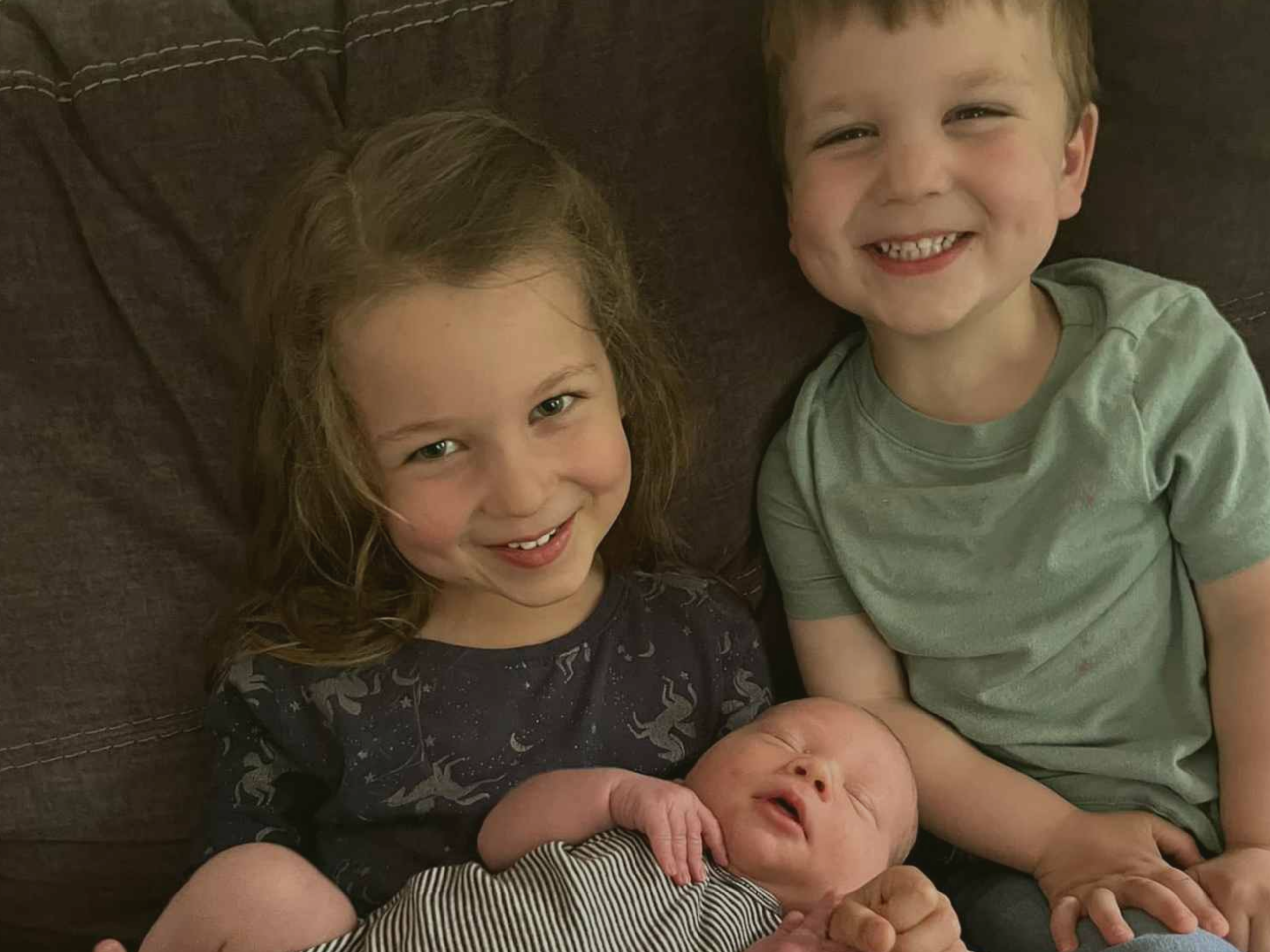
Three children were killed. So why does the story we keep telling seem to be about their mother?
The Lindsay Clancy case raises a question far bigger than whether one mother was legally insane. It forces us to confront what happens when our desire to understand a perpetrator becomes so consuming that the victims slowly disappear from view.
We can acknowledge mental illness. We can ask difficult questions about postpartum psychosis, medication, intrusive thoughts, and the circumstances surrounding a horrific act. But when our empathy becomes centered almost exclusively on the person accused of causing the suffering, we have to ask: Where does that leave the children who can no longer speak for themselves?
In this case, those children were Cora, Dawson, and Callan.
In life, they depended on adults to protect them. In death, they still do.
Yet somewhere along the way, the narrative shifted. Three children were killed, but the public conversation increasingly became about their mother—her mental health, her suffering, her possible victimhood, and whether she should be understood primarily as a victim herself.
And with every conversation that places her in the spotlight, there is a danger that the three children at the center of this tragedy become an afterthought.
Those questions are not irrelevant. Lindsay’s mental state matters to medicine, to the law and to determining criminal responsibility. But understanding the accused should never require us to forget the victims.
Compassion for mental illness and justice for murdered children do not have to be opposing principles. We can ask difficult questions about what happened to Lindsay Clancy while still insisting that the children she killed are not reduced to a tragic footnote in the discussion of her suffering. We can acknowledge the complexity of her mental state without allowing it to eclipse the fundamental truth at the center of this case: three innocent children were killed, and justice must account for them, too.
Across social media, women have shared their own experiences with intrusive thoughts and postpartum struggles, sometimes using Lindsay’s case as a point of identification or sympathy— a conversation increasingly centered on what she may have experienced or what we as society could have done differently for her.
But where in all that discussion are Cora, Dawson and Callan?
They cannot demand justice for themselves. They cannot tell their side of the story. They cannot participate in documentaries, give interviews or post videos. They cannot ask us to remember what was taken from them. Perhaps the most troubling imbalance is that Lindsay Clancy has countless adults willing to imagine her suffering, explain her state of mind and speak on her behalf. Her children, however, have no comparable chorus of voices asking us to imagine theirs.
The difference is that there is no shortage of adults willing to step in Clancy’s shoes. Many have imagined her fear, her illness, her confusion and her suffering. But who is stepping into the shoes of Cora, Dawson and Callan?
Who is asking us to imagine what it meant to be small, defenseless and entirely dependent on the very adults who were supposed to keep them safe?
An important question this case leaves us with is not whether Lindsay Clancy deserves compassion, but whether our compassion has become so focused on understanding the person who caused the suffering that we have lost sight of those who suffered most. These three children cannot challenge the narratives being written about their deaths. They cannot remind us that their lives mattered apart from their mother’s illness.
Cora, Dawson, and Callan needed adults to protect them in life.
Now, they need us to remember them in death.
Because when the victims can no longer speak for themselves, we must speak for them.